
Geschweißte Wellen
Modernste Laserschweißtechnologie für verbesserte Funktionalität und Materialkombinationsfähigkeiten. Unsere geschweißten Wellen kombinieren verschiedene Materialien durch fortschrittliche Schweißtechniken und bieten Festigkeit, Vielseitigkeit und kundenspezifische Konfigurationen für komplexe Baugruppen, Luftfahrtkomponenten und Hochleistungssysteme, die Multimateriallösungen erfordern.
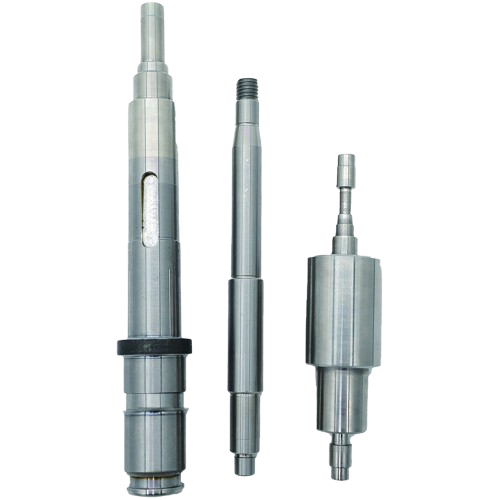
Overview
State-of-the-art laser welding for enhanced functionality
Material combination for optimized performance
Strength and versatility in complex assemblies
Custom configurations for specific applications
Advanced welding techniques for superior quality
Welded Shaft Specifications
Welding Technology
- • Laser beam welding
- • TIG welding processes
- • Friction welding
- • Electron beam welding
- • Ultrasonic welding
Material Combinations
- • Dissimilar metal joining
- • High-strength alloys
- • Corrosion-resistant materials
- • Heat-resistant steels
- • Specialty alloys
Quality Assurance
- • Weld inspection
- • Non-destructive testing
- • Strength validation
- • Corrosion testing
- • Performance verification
Common Applications
Complex Assemblies
- • Multi-material shafts
- • Hybrid components
- • Repair and modification
- • Custom configurations
- • Specialized applications
High-Performance Systems
- • Aerospace components
- • Racing applications
- • Precision instruments
- • Critical machinery
- • Specialized equipment
Welded Shaft Manufacturing Capabilities
Advanced welding technologies for complex shaft assemblies
Welding Technologies
Laser Beam Welding
TIG Welding
Friction Welding
Post-Weld Processing
Heat Treatment
Machining
Surface Treatment
Quality Control
Non-Destructive Testing
Mechanical Testing
Metallurgical Analysis
Specialized Welding
Electron Beam Welding
Ultrasonic Welding
Plasma Arc Welding
Design & Engineering Services
Expert engineering support for your shaft requirements
Welding Design
- • Joint design optimization
- • Material compatibility
- • Process selection
- • Quality planning
- • Performance analysis
Manufacturing Support
- • Process development
- • Quality control
- • Testing procedures
- • Documentation
- • Technical assistance
Related Shaft Solutions
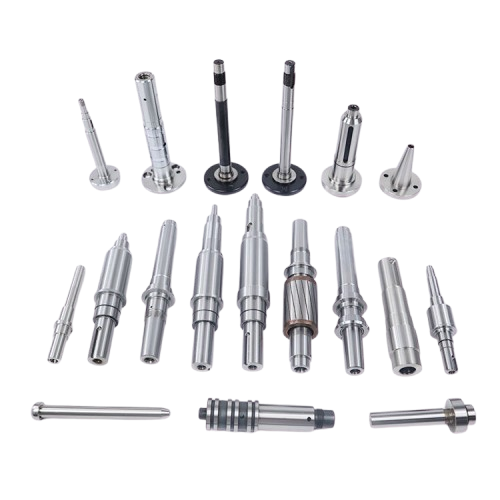
Kundenspezifische Welle
Maßgeschneidert nach genauen Kundenspezifikationen mit Präzisionstechnik und fortschrittlichen Designfähigkeiten. Unsere kundenspezifischen Wellen sind so konstruiert, dass sie Ihre spezifischen Anwendungsanforderungen erfüllen und komplexe Geometrien, kundenspezifische Materialien und enge Toleranzen für optimale Leistung in Spezialausrüstung und Hochleistungssystemen bieten.
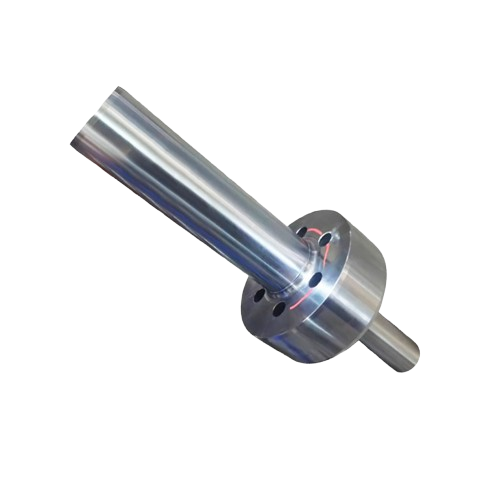
Geschmiedete Wellen
Verbesserte Materialstruktur durch fortschrittliche Schmiedetechniken für überragende Festigkeit und Haltbarkeit. Unsere geschmiedeten Wellen zeichnen sich durch eine verbesserte Kornstruktur, erhöhte Zugfestigkeit und außergewöhnliche Ermüdungsbeständigkeit aus und sind ideal für Schwerlastanwendungen in Bauausrüstung, Bergbaumaschinen und Stromerzeugungssystemen.
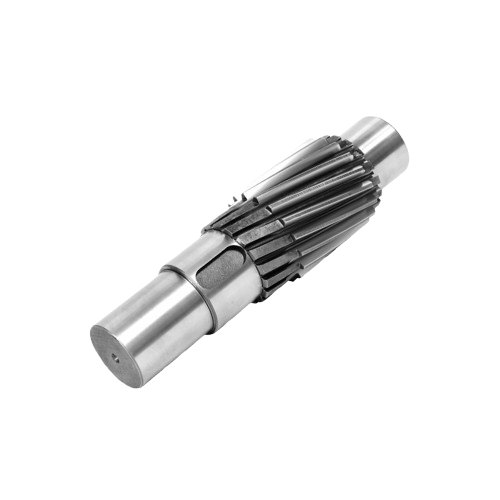
Zahnradwellen
Fachgerecht konstruiert für nahtlose Zahnradsystemintegration mit Präzisionstechnik für optimale Leistung. Unsere Zahnradwellen bieten kundenspezifische Zahnradprofile, präzise Zahngeometrie und fortschrittliche Oberflächenbehandlungen, die gleichbleibende Qualität und zuverlässigen Betrieb in Automobilgetrieben, Industriegetrieben und Kraftübertragungsanwendungen gewährleisten.
Frequently Asked Questions
Can a shaft be welded?
Yes, shafts can be welded using various techniques including laser welding, TIG welding, friction welding, and electron beam welding. The choice of welding method depends on the materials, shaft size, and application requirements.
What is the process of welding shafts?
The welding process involves joint preparation, material selection, welding technique application, post-weld heat treatment, and quality inspection. We use advanced welding technologies to ensure strong, reliable joints with minimal distortion.
Can axle shafts be welded?
Yes, axle shafts can be welded, but it requires careful consideration of material properties, joint design, and post-weld heat treatment. Welded axle shafts must meet strict quality standards for safety and performance.
What is the best metal for shafts?
The best metal depends on the application. Alloy steels (4140, 4340) offer excellent strength and toughness. Stainless steels provide corrosion resistance. Carbon steels are cost-effective for general applications. We help select the optimal material.
What welding techniques do you use?
We use laser beam welding, TIG welding, friction welding, and electron beam welding. Each technique is selected based on material compatibility, joint requirements, and quality specifications for optimal results.
How do you ensure weld quality?
We ensure weld quality through proper joint design, material preparation, controlled welding processes, post-weld heat treatment, and comprehensive inspection including non-destructive testing and performance validation.
Can Partsproto weld different materials together?
Yes, Partsproto specializes in welding dissimilar materials. Our advanced welding capabilities allow us to join different metals and alloys while maintaining strength and performance characteristics.
What is the lead time for welded shaft manufacturing?
Welded shaft manufacturing typically takes 4-6 weeks depending on complexity. This includes design review, material procurement, welding, heat treatment, machining, and quality inspection. Rush orders may be accommodated when possible.
Do you provide welding repair services?
Yes, we provide welding repair and modification services for existing shafts. Our team can assess damage, recommend repair methods, and restore shafts to proper working condition with full quality assurance.
Ready to Start Your Welded Shaft Project?
Contact us today to discuss your welded shaft requirements and get a detailed quote for laser welding technology solutions.