
Custom TPU Parts Manufacturing
Flexible Thermoplastic Polyurethane Solutions
Leverage our expertise in Thermoplastic Polyurethane (TPU) manufacturing for exceptional flexibility, abrasion resistance, and chemical resistance. We specialize in producing high-performance flexible parts for demanding applications.
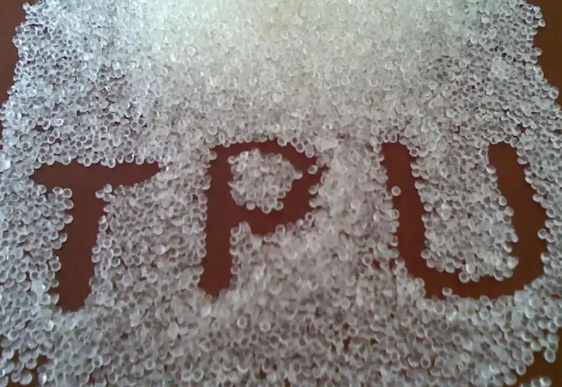
Performance Characteristics
TPU offers an exceptional combination of properties:
Mechanical Properties
High structural integrity
Excellent flexibility
Superior tear resistance
Thermal Properties
Good stiffness control
Wide temperature range
Stable under heat
Chemical Properties
Superior wear resistance
Fuel and oil compatible
Water resistance
Manufacturing Capabilities
Advanced processing methods for TPU components:
Injection Molding
- •Complex geometries
- •High volume production
- •Excellent repeatability
- •Fine detail capability
CNC Machining
- •Prototype development
- •Low volume production
- •High precision
- •Design flexibility
Compression Molding
- •Large parts
- •Thick sections
- •Minimal internal stress
- •Cost-effective tooling
Engineering Applications
TPU excels in flexible and wear-resistant applications:
Automotive
Applicazioni:
- •Wheels and tires
- •Gaskets and seals
- •Hose and tubing
- •Bushings and mounts
Benefits:
- •Oil and fuel resistance
- •Flexibility and durability
- •Abrasion resistance
- •Temperature stability
Footwear
Applicazioni:
- •Shoe soles
- •Sports equipment
- •Protective gear
- •Comfort components
Benefits:
- •Excellent flexibility
- •Superior wear resistance
- •Shock absorption
- •Comfort and durability
Industrial Equipment
Applicazioni:
- •Gears and pulleys
- •Conveyor belts
- •Seals and gaskets
- •Protective covers
Benefits:
- •Abrasion resistance
- •Chemical resistance
- •Flexibility
- •Long service life
Quality Standards & Testing
Material Certification
- •ASTM D412
- •ISO 34-1
- •FDA Food-Contact
- •UL 94 HB
Testing Procedures
- •Tensile strength testing
- •Elongation measurement
- •Tear resistance testing
- •Abrasion resistance analysis
Quality Control
- •In-process inspection
- •Final dimensional verification
- •Material lot traceability
- •Documentation control
Certifications
Value Proposition
Performance
Superior mechanical and chemical properties
- •Excellent flexibility
- •Superior abrasion resistance
- •Chemical resistance
- •Temperature stability
Cost Efficiency
Long-term economic benefits
- •Extended service life
- •Reduced maintenance
- •Lower replacement frequency
- •Energy efficient processing
Versatility
Wide range of applications
- •Multiple processing methods
- •Various hardness options
- •Broad temperature range
- •Chemical compatibility
Frequently Asked Questions
Find answers to common questions about TPU parts manufacturing
TPU Properties & Applications
Is TPU good for car parts?
Yes, TPU is excellent for automotive applications due to its oil and fuel resistance, flexibility, and abrasion resistance. It's commonly used for gaskets, seals, hoses, bushings, and protective components that require durability and chemical resistance.
What is the disadvantage of TPU?
TPU has some limitations including higher cost compared to some plastics, limited UV resistance without additives, potential for hydrolysis in hot water, and lower heat resistance compared to engineering plastics. It also requires careful processing to avoid degradation.
Is TPU more expensive than PLA?
Yes, TPU is generally more expensive than PLA. TPU costs approximately 2-3 times more than PLA due to its more complex manufacturing process and superior mechanical properties. However, TPU offers better flexibility, abrasion resistance, and chemical resistance.
What is stronger, PETG or TPU?
PETG is stronger in terms of tensile strength and rigidity, while TPU is more flexible and has better impact resistance. PETG has higher tensile strength (50-60 MPa) compared to TPU (30-50 MPa), but TPU has much higher elongation (500-670%) versus PETG (3-7%).
Can you mix PLA and TPU in the same print?
While it's technically possible to print PLA and TPU together using dual-extrusion printers, it's not recommended due to poor layer adhesion between the materials. The different thermal properties and chemical incompatibility can lead to delamination and weak parts.
Ready to Start Your TPU Project?
Contact our experts for a consultation and detailed quote