
Will Aluminum Rust? Understanding Aluminum Corrosion and Durability
Aluminum cannot rust because it contains no iron. However, like all metals, it can corrode—but in a very different way.
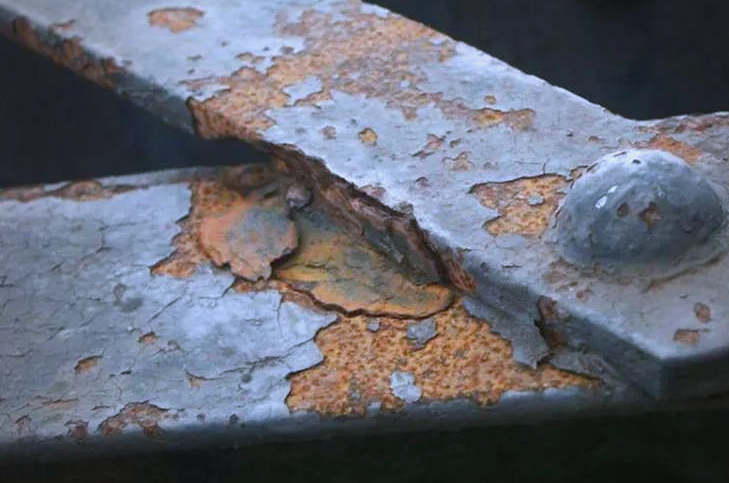
When it comes to industrial materials, one of the most common questions manufacturers and engineers ask is: Will aluminum rust? The answer is crucial for businesses selecting materials for CNC machining, custom parts, and injection molding. In this article, Our Partsproto team explains the science behind aluminum corrosion, clears up misconceptions about rust, and explores what makes aluminum such a reliable material for modern industry.
Does Aluminum Rust? The Science Explained
Rust vs. Corrosion: What’s the Difference?
- Rust is a specific type of corrosion that only affects iron and steel. It results in the reddish-brown flaky coating you often see on old steel structures.
- Corrosion is a broader term for the degradation of materials due to chemical reactions, typically with oxygen and moisture.
Aluminum cannot rust because it contains no iron. However, like all metals, it can corrode—but in a very different way.
How Aluminum Protects Itself: The Oxide Advantage
When exposed to air or moisture, aluminum reacts with oxygen to form a thin, tough layer of aluminum oxide. This layer:
- Forms instantly upon exposure to air.
- Is invisible to the naked eye.
- Adheres tightly to the surface, sealing the metal underneath.
- Prevents further corrosion unless significantly damaged.
Why Aluminum Doesn’t Rust
- No Iron Content: Rust requires iron. Since aluminum has none, rusting is not possible.
- Oxide Barrier: The natural oxide coating protects aluminum from the type of progressive corrosion seen in iron and steel.
- Durability: Aluminum components remain strong and visually appealing for years, even in outdoor or humid applications.
When Does Aluminum Corrode?
While aluminum doesn’t rust, it can corrode under certain harsh conditions, such as:
- Exposure to Saltwater: Prolonged contact can cause pitting or localized corrosion.
- Highly Acidic or Alkaline Environments: Extreme pH levels may break down the protective oxide layer.
- Galvanic Corrosion: Contact with other metals in the presence of an electrolyte (like water) can lead to corrosion.
Aluminum vs. Rust-Prone Materials: What’s the Best Choice?
- Aluminum vs. Steel: Unlike aluminum, steel will rust quickly if not protected.
- Aluminum vs. Stainless Steel: Stainless steel is highly resistant to rust due to its chromium content, but even it can corrode in certain environments. Aluminum’s oxide protection is self-renewing and does not require special coatings.
Key Benefits of Aluminum in Industrial Manufacturing
- Lightweight yet strong
- High corrosion resistance
- Low maintenance costs
- Long service life in demanding environments
- Excellent machinability and versatility for CNC, custom parts, and injection molding
Choose Partsproto for Your Aluminum Manufacturing Needs
At Partsproto, we leverage the unique properties of aluminum to deliver precision CNC machining, custom parts, and injection molding solutions for industries worldwide. Our expertise ensures your components are durable, corrosion-resistant, and manufactured to the highest standards.
Ready to start your next project? Contact Partsproto today and discover the benefits of working with aluminum and a team that understands your industry’s demands.
Frequently Asked Questions
Will aluminum rust if it gets wet?
No, aluminum will not rust if it gets wet. Instead, it forms a thin, protective oxide layer that prevents further corrosion.
How long will it take for aluminum to rust?
Aluminum does not rust at all, regardless of time. However, under extremely harsh conditions, it can corrode over time, especially in saltwater or acidic environments.
Does aluminum rust vs stainless steel?
Neither aluminum nor stainless steel will rust because rust is specific to iron and steel. Both metals resist corrosion, but aluminum forms a natural oxide layer, while stainless steel relies on its chromium content for protection.
-
 Il Punto di Fusione dello Zinco: la tua Arma Segreta per Componenti Personalizzati di Alta Qualità ed Economici. 3 lug 2025
 -
 Comprendere il punto di fusione della ghisa: una pietra angolare per parti personalizzate di qualità superiore 3 lug 2025
 -
 Sbloccare il Potenziale: Comprendere il Punto di Fusione del Magnesio per la Manifattura Avanzata 30 giu 2025
 -
 Comprensione del Punto di Fusione Critico dello Stagno: Applicazioni Industriali e Proprietà 30 giu 2025
 -
 Guida al Punto di Fusione del Bronzo: Dati di Temperatura Essenziali per la Lavorazione CNC e la Produzione Personalizzata 29 giu 2025