
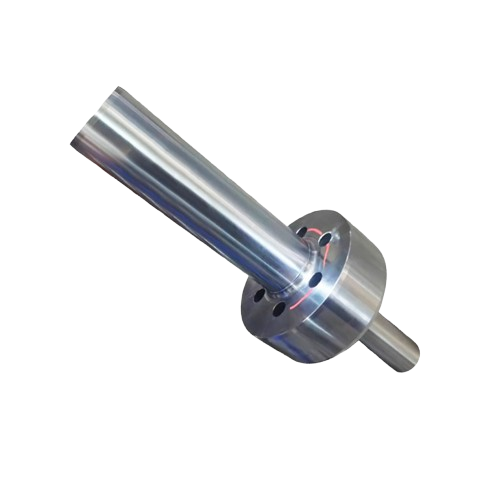
鍛造シャフト
優れた強度と耐久性を実現するための先進的な鍛造技術による材料構造の強化。当社の鍛造シャフトは改良された結晶構造、向上した引張強度、卓越した疲労耐性を備えており、建設機械、鉱業機械、発電システムなどの重役用途に最適です。
Overview
Enhanced material structure through advanced forging techniques
Superior strength and durability for heavy-duty applications
Improved grain structure and mechanical properties
Long service life with exceptional reliability
Ideal for high-stress and high-load environments
Forged Shaft Specifications
Forging Process
- • Hot forging for large diameters
- • Cold forging for precision parts
- • Grain flow optimization
- • Material consolidation
- • Stress relief treatment
Material Properties
- • Enhanced tensile strength
- • Improved fatigue resistance
- • Better impact toughness
- • Superior wear resistance
- • Optimized grain structure
Quality Assurance
- • Ultrasonic testing
- • Magnetic particle inspection
- • Dimensional verification
- • Material certification
- • Performance validation
Common Applications
Heavy Machinery
- • Construction equipment
- • Mining machinery
- • Industrial presses
- • Heavy-duty pumps
- • Large-scale conveyors
Power Generation
- • Turbine shafts
- • Generator components
- • Power transmission
- • Energy conversion systems
- • Renewable energy equipment
Forged Shaft Manufacturing Capabilities
Advanced forging and post-forging processes for superior strength and durability
Forging Processes
Hot Forging
Cold Forging
Warm Forging
Post-Forging Processing
Precision Machining
Grinding Operations
Heat Treatment
Quality Control
Non-Destructive Testing
Material Testing
Dimensional Inspection
Surface Treatment
Corrosion Protection
Wear Resistance
Specialized Coatings
Design & Engineering Services
Expert engineering support for your shaft requirements
Forging Design
- • Grain flow optimization
- • Material selection
- • Process design
- • Tooling development
- • Quality planning
Performance Engineering
- • Load analysis
- • Stress calculations
- • Fatigue analysis
- • Life cycle assessment
- • Reliability testing
Related Shaft Solutions
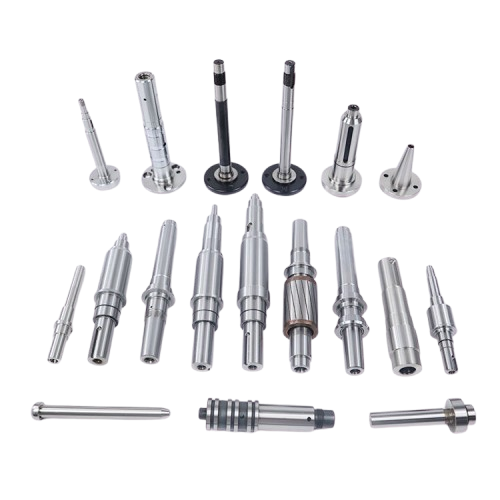
カスタムシャフト
厳密な顧客仕様に合わせて、精密工学と高度な設計能力でカスタマイズされています。当社のカスタムシャフトは、複雑な幾何学、カスタム材料、および高性能システムや特殊機器での最適な性能を実現するための厳密な許容差を備えた、ユニークなアプリケーション要件に対応するよう設計されています。
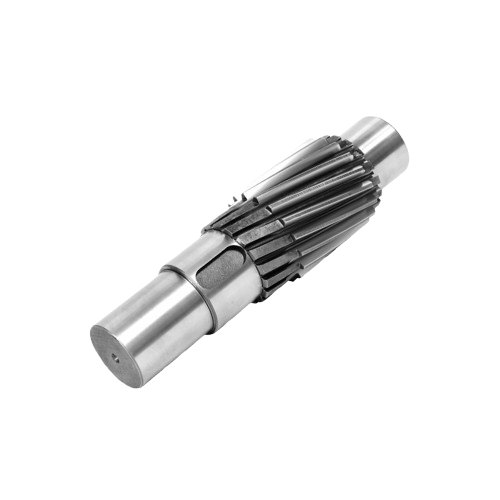
ギアシャフト
精密工学を駆使したシームレスなギアシステム統合のために専門的に設計されています。当社のギアシャフトはカスタムギアプロファイル、精密歯形状、および先進的な表面処理を特長とし、自動車のトランスミッションシステム、産業用ギアボックス、および動力伝達アプリケーションにおいて一貫した品質と信頼性のある動作を確保しています。
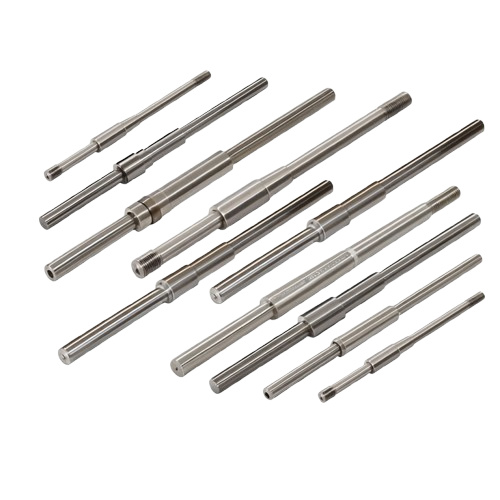
モーターシャフト
コスト効率の良い製造と迅速な納期を備えた標準モーター用の効率的なソリューション。当社のモーターシャフトは、高い生産量を想定して設計されており、AC/DCモーター、サーボモーター、およびさまざまなセクターでの産業用モーターのアプリケーションにおいて、標準化された設計、一貫した品質、信頼性の高い性能を提供しています。
Frequently Asked Questions
What is a forged shaft?
A forged shaft is manufactured through a forging process that compresses and shapes metal under high pressure and temperature. This process improves the material's grain structure, resulting in enhanced strength, better fatigue resistance, and superior mechanical properties compared to machined shafts.
What's better, forged or cast?
Forged shafts are generally superior to cast shafts for most applications. Forging provides better grain structure, higher strength, improved fatigue resistance, and better dimensional accuracy. Cast shafts may be more cost-effective for simple shapes but lack the mechanical properties of forged components.
What are the advantages of forged shafts?
Forged shafts offer superior strength, better fatigue resistance, improved impact toughness, enhanced wear resistance, and optimized grain structure. They are ideal for high-stress applications, heavy machinery, and environments requiring exceptional reliability and long service life.
What materials can be forged for shafts?
Common forgeable materials include carbon steels (1018, 1045), alloy steels (4140, 4340), stainless steels (304, 316), and specialty alloys. Material selection depends on application requirements, with alloy steels being most common for high-strength applications.
How does the forging process improve shaft properties?
Forging compresses and aligns the metal's grain structure, eliminating voids and improving material density. This results in enhanced tensile strength, better fatigue resistance, improved impact toughness, and superior mechanical properties throughout the component.
What quality control measures do you use for forged shafts?
Our forged shafts undergo comprehensive quality control including ultrasonic testing, magnetic particle inspection, dimensional verification, material certification, and performance validation. We maintain strict process control and documentation throughout manufacturing.
Can Partsproto provide custom forged shaft designs?
Yes, Partsproto offers custom forged shaft design and manufacturing services. Our engineering team works with clients to develop optimal designs, select appropriate materials, and ensure the forging process meets your specific application requirements.
What is the lead time for forged shaft manufacturing?
Forged shaft lead times typically range from 4-8 weeks depending on complexity and quantity. This includes design review, material procurement, forging, machining, heat treatment, and quality inspection. Rush orders may be accommodated when possible.
Do you provide heat treatment for forged shafts?
Yes, we provide comprehensive heat treatment services for forged shafts including normalizing, quenching, tempering, and stress relief. Heat treatment is essential for achieving optimal mechanical properties and ensuring long-term performance.
What industries commonly use forged shafts?
Forged shafts are widely used in construction equipment, mining machinery, power generation, heavy industrial equipment, automotive applications, and aerospace components where high strength, reliability, and long service life are critical requirements.
Ready to Start Your Forged Shaft Project?
Contact us today to discuss your forged shaft requirements and get a detailed quote for enhanced strength and durability solutions.