
Custom CPVC Parts Manufacturing
Chemical-Resistant Industrial Solutions
Expert manufacturing of Chlorinated Polyvinyl Chloride (CPVC) components engineered for superior chemical resistance, high-temperature stability, and excellent fire safety in demanding industrial environments.
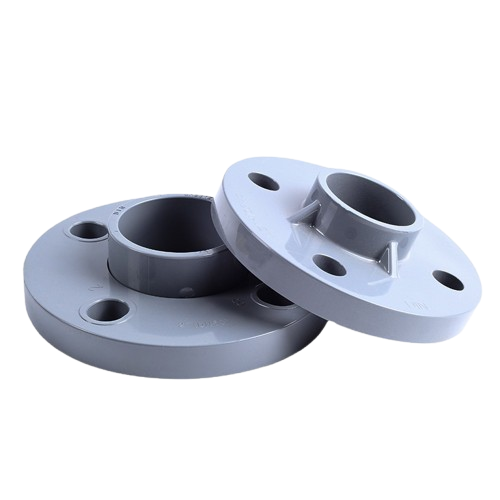
Technical Specifications
Industry-Leading CPVC Performance Metrics
Mechanical Properties
- Tensile Strength: 8,000 psi (55 MPa)
- Flexural Modulus: 4.23 x 10⁵ psi
- Impact Strength: 1.5 ft-lb/in
- Specific Gravity: 1.55
Thermal Properties
- Heat Deflection Temperature: 217°F (103°C)
- Thermal Conductivity: 0.95 BTU/hr/ft²/°F/in
- Coefficient of Expansion: 3.8 x 10⁻⁵ in/in/°F
- Maximum Service Temperature: 200°F (93°C)
Chemical Resistance
- Acids: Excellent
- Bases: Excellent
- Salts: Excellent
- Oxidizing Agents: Good to Excellent
Manufacturing Capabilities
Our advanced CPVC manufacturing processes ensure precise, reliable components:
Precision Machining
- ✓Tolerance control to ±0.005"
- ✓Complex geometries
- ✓Surface finish Ra 32-63
- ✓Custom threading options
Injection Molding
- ✓High-volume production
- ✓Consistent part quality
- ✓Complex shapes possible
- ✓Cost-effective solutions
Fabrication
- ✓Custom assemblies
- ✓Welded constructions
- ✓Size range: 0.5" to 24"
- ✓Various joining methods
Industrial Applications
CPVC components excel in demanding industrial environments where chemical resistance and temperature stability are critical:
Chemical Processing
Equipment for handling aggressive chemicals
- •Chemical storage tanks
- •Process piping systems
- •Pump components
- •Valve bodies
Water Treatment
Components for water purification systems
- •Filter housings
- •Distribution manifolds
- •Chlorination equipment
- •Flow control devices
Industrial Plumbing
High-performance plumbing solutions
- •Hot water distribution
- •Chemical waste systems
- •Ventilation components
- •Drainage systems
Quality Standards & Testing
Comprehensive quality assurance for every CPVC component:
Material Certification
- •ASTM D1784 compliance
- •NSF/ANSI 61 certification
- •UL 94 V-0 fire rating
- •Chemical composition analysis
Physical Testing
- •Hydrostatic pressure testing
- •Impact resistance verification
- •Heat deflection testing
- •Dimensional stability checks
Performance Validation
- •Chemical resistance testing
- •Temperature cycling
- •Stress crack resistance
- •Long-term aging studies
Certifications
Design Considerations
Key factors for successful CPVC component design:
Temperature Management
- •Operating temperature limits
- •Thermal expansion allowance
- •Heat dissipation requirements
- •Temperature cycling effects
Chemical Compatibility
- •Media concentration levels
- •Exposure duration
- •Temperature effects on chemical resistance
- •Combined chemical effects
Mechanical Design
- •Pressure ratings
- •Structural support requirements
- •Joint design considerations
- •Installation stress factors
CPVC Material Advantages
Chemical Resistance
Superior resistance to acids, bases, and salts
- ✓Broad chemical compatibility
- ✓No corrosion concerns
- ✓Long service life
- ✓Minimal maintenance
Temperature Performance
Excellent high-temperature stability
- ✓Continuous use up to 200°F
- ✓Maintains properties at elevated temperatures
- ✓Good thermal insulation
- ✓Low thermal expansion
Safety Features
Inherent safety characteristics
- ✓Self-extinguishing
- ✓Low smoke emission
- ✓Non-toxic
- ✓Non-conductive
Start Your CPVC Project Today
Ready to leverage the exceptional chemical resistance and thermal stability of CPVC for your application? Our engineering team is here to help you optimize your design and choose the right manufacturing process.