
CNC Turning Services
Partsproto turns shafts, bushings, pins, fittings, and threaded parts for export programs. We quote from your STEP/PDF, machine metals and engineering plastics on CNC lathes with live tooling, and ship inspected parts from China to your dock—prototype through production.
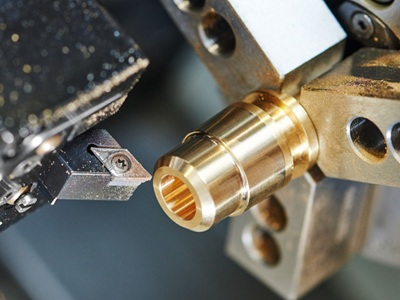
Turning capabilities & envelope
Size envelope
- •Diameter: typically Ø2–400 mm (confirm bar/chucking for extremes)
- •Length: up to ~1000 mm depending on diameter and support
- •Live tooling: radial/axial holes, flats, light milling features
- •Bar / chuck work: shafts, bushings, fittings, threaded studs
Tolerances & finish
- •Dimensional: ±0.02 mm typical on critical OD/ID (tighter by quote)
- •Surface: Ra 0.8–3.2 μm as-machined; finer with polish/grind callouts
- •Roundness / runout: held when datum scheme is clear on the print
- •Threads: metric & unified cut or rolled per drawing
Feature types we quote often
- •OD/ID shoulders, grooves, undercuts, tapers
- •Internal & external threads, knurls, snap-ring grooves
- •Live-tool cross-holes, wrench flats, keyways
- •Secondary ops: heat treat, grind, plating, anodize, passivate
Materials that fit CNC turning
High-quality materials for precision turning applications.
Stainless steel
Corrosion resistance; 303 for machinability, 316L for marine/medical-adjacent, 17-4PH when strength after heat treat matters
303
304
316/316L
17-4PH
Aluminum
Fast cycles, anodize-ready; 6061 for general, 7075 when strength-to-weight is critical
6061-T6
7075-T6
2024
Carbon & alloy steel
Shafts and wear parts; call out heat treat / grind stock early so the quote includes the full path
1018
1045
4140
4340
Brass, copper & plastics
Electrical fittings, low-friction bushings, chemical-resistant seats—plastics need chip control and support callouts
C360 brass
C110 copper
POM/Delrin
PEEK
Nylon
How our CNC turning workflow runs
RFQ & DFM
You send STEP + PDF, material, qty, and target date. We flag thin walls, deep bores, thread specs, and secondary ops before cutting.
Process plan
Bar size, chucking/colleting strategy, live-tool vs second-op milling, and inspection datums are locked with the quote.
Turning & live tooling
Rough and finish OD/ID, grooves, threads; add cross features in-cycle when live tooling is the cheaper path.
Secondary ops
Heat treat, grind, plating, anodize, or assembly inserts only when the print or PO calls them out.
Inspection & pack
Critical dims checked; optional FAIR/CMM; export packing with labels and certs for overseas shipment.
Inspection & quality control
Export buyers need predictable checks—not slogans. Here is what we actually do on turned lots.
Certifications
ISO 9001:2015
Quality Control Equipment
In-process checks
- • First-off and patrol checks on critical OD/ID and threads during the run
- • Micrometers
- • Bore gauges
- • Thread gauges
Surface & form
- • Ra and form checks when the print calls them out
- • Profilometer
- • Indicators / runout fixtures
Final verification
- • Sampling or 100% on CTQ dims per agreement; CMM when geometry needs it
- • CMM
- • Vision / optical as needed
Inspection Process
What CNC turning is—and when to choose it
CNC turning rotates the workpiece against a cutting tool to create round OD/ID features, shoulders, grooves, tapers, and threads. Live tooling adds milling, drilling, and cross-holes without a second setup on many parts.
Choose turning when the primary geometry is cylindrical or coaxial: shafts, spacers, collars, valve bodies, hose fittings, standoffs, and precision pins. If the part is mostly prismatic with few round features, CNC milling is usually cheaper.
We are a China-based export shop serving overseas buyers. Send clear drawings and quantities; we return a DFM note with the quote so you know what we will hold, what needs a secondary op, and what lead time is realistic.
- → OD/ID work dominated by concentric features and threads
- → Need live-tool flats, keyways, or cross-holes in one lathe cycle
- → Prototype 1–10 pcs or repeating lots of 50–5,000+
- → Material is bar stock friendly (steel, stainless, aluminum, brass, POM, PEEK)
DFM tips for CNC turning
- •Put a clear diameter datum and runout callout when concentricity matters—vague notes force us to guess and add cost.
- •Avoid unnecessary ±0.005 mm everywhere; reserve tight dims for fits and seal diameters so cycle time stays competitive.
- •Deep small bores and long slender shafts need support—tell us L/D and we will propose steady rest, sub-spindle, or Swiss if diameter fits.
- •Standard thread pitches and knurl specs quote faster than custom forms that need special tooling.
- •If heat treat + grind is required, leave grind stock on the print and say so in the RFQ so soft machining is planned correctly.
- •For plastics, specify max OD/ID and whether the part must stay dry or can be coolant-machined; POM and PEEK behave differently on finish.
Inspection & QC on turned parts
- ✓Critical OD/ID, length, and shoulder locations checked to the print.
- ✓Thread verification with gauges or optical methods as specified.
- ✓Runout / concentricity when datums are defined.
- ✓Surface finish sampling when Ra is called.
- ✓Material and process certs included when you request certified stock.
Lead time & batch sizing
Simple aluminum or brass prototypes often ship in about 5–10 working days after DFM approval and material is on hand. Stainless and alloy steel add time for tooling wear and secondary ops. Heat treat, grind, or plating typically adds several days. Ask for break-point pricing at 1 / 10 / 50 / 200 / 1,000 so you can move from pilot to repeating export lots without re-quoting blind. Large repeating programs get a locked process sheet and sampling plan on the PO.
CNC turning FAQ for buyers
What files should I send for a fast turning quote?
STEP (or IGES) plus a PDF with tolerances, threads, material, quantity, and any secondary ops. If you only have a 2D drawing, send that—we will tell you what 3D detail still helps.
When is Swiss turning better than conventional CNC turning?
Swiss shines on small diameters (roughly under Ø32–42 mm), long slender parts, and high-volume precision pins. Larger OD work and short stiff parts usually stay on chucking / bar CNC lathes.
Can you add flats, keyways, and cross-holes?
Yes—often with live tooling in one setup. Complex prismatic features may still need a mill or mill-turn center; we will say which path is cheaper on the quote.
What tolerance should I expect without a grinding callout?
±0.02 mm on critical diameters is a practical default for many turned fits. Tighter dims are quoted case-by-case and may need grind or hone.
Do you ship overseas with material certs?
Yes. Partsproto is a China export shop. We pack for international freight and can include mill certs, heat-treat certs, and dimensional reports when ordered.
How do you price prototypes vs production?
Prototypes carry setup and programming once; repeating lots amortize that setup. Send target annual volume and we will show break points so unit price drops honestly.
Ready to quote CNC turned parts?
Send STEP/PDF, material, quantity, and target date. We respond with price, process notes, and lead time for overseas delivery.