
Custom Silicon Parts Manufacturing
High-Purity Semiconductor & Electronic Solutions
Specialized in precision Silicon components with exceptional electrical properties, thermal stability, and chemical resistance. Perfect for semiconductor devices, electronic components, and high-temperature applications.
Purity Level
99.999%+
Ultra-high purity grade
Thermal Stability
Up to 1400°C
Excellent heat resistance
Electrical Resistivity
10³-10⁶ Ω·cm
Semiconductor properties
Chemical Resistance
Superior
Inert to most acids
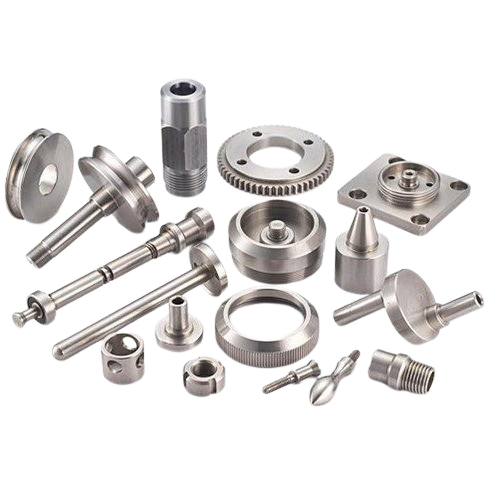
Silicon Material Properties
Silicon is a semiconductor material with unique electrical and thermal properties, making it essential for electronic and high-temperature applications.
Chemical Formula
Si
Density
2.33 g/cm³
Melting Point
1414°C
Hardness
7.0 Mohs
Silicon Characteristics
Comprehensive understanding of Silicon properties for optimal application selection.
Crystal Structure
Diamond cubic
Highly ordered atomic arrangement
Thermal Conductivity
149 W/m·K
Excellent heat dissipation
Thermal Expansion
2.6 μm/m·K
Low expansion coefficient
Young's Modulus
130-185 GPa
High stiffness and rigidity
Band Gap
1.12 eV
Semiconductor energy gap
Intrinsic Resistivity
2.3×10³ Ω·cm
Pure silicon resistivity
Dielectric Constant
11.7
Electrical insulation properties
Breakdown Voltage
300 kV/cm
High voltage tolerance
Oxidation Resistance
Excellent
Forms protective oxide layer
Acid Resistance
Very Good
Resistant to most acids
Alkali Resistance
Good
Moderate resistance to bases
Corrosion Resistance
Superior
Highly inert material
Advanced Silicon Processing
Specialized manufacturing techniques for Silicon with ultra-high precision and purity control
Precision Machining
Ultra-precise machining for Silicon components
Capabilities:
- •Diamond tool machining
- •Laser cutting and drilling
- •Chemical etching
- •Ion beam milling
Specifications:
- Tolerance: ±0.001mm
- Surface Finish: Ra 0.05-0.2
- Min Feature Size: 0.1μm
- Max Size: 200mm x 200mm x 50mm
Crystal Growth
High-purity Silicon crystal growth processes
Capabilities:
- •Czochralski method
- •Float zone refining
- •Epitaxial growth
- •Single crystal production
Specifications:
- Purity: 99.9999%+
- Crystal Size: Up to 300mm
- Defect Density: <10³/cm²
- Resistivity: 1-1000 Ω·cm
Surface Treatment
Advanced surface modification for Silicon
Capabilities:
- •Thermal oxidation
- •Chemical vapor deposition
- •Ion implantation
- •Plasma treatment
Specifications:
- Oxide Thickness: 1-1000nm
- Uniformity: ±2%
- Temperature: 800-1200°C
- Atmosphere: Controlled
Quality Control
Comprehensive testing and inspection
Capabilities:
- •Electrical testing
- •Optical inspection
- •Chemical analysis
- •Structural verification
Specifications:
- Measurement Precision: ±0.1%
- Inspection Resolution: 0.1μm
- Testing Coverage: 100%
- Certification: ISO 9001
Silicon Applications
Diverse applications leveraging Silicon's unique semiconductor and thermal properties
Semiconductor Devices
- • Integrated circuits (ICs)
- • Microprocessors
- • Memory chips
- • Power devices
- • Sensors and detectors
- • Solar cells
Electronics & Optics
- • Optical components
- • Waveguides
- • Photonic devices
- • LED substrates
- • Display panels
- • Fiber optics
High-Temperature Applications
- • Thermal management
- • Heat sinks
- • Furnace components
- • Thermal barriers
- • Insulation materials
- • Refractory parts
Chemical Processing
- • Reactor components
- • Corrosion-resistant parts
- • Catalyst supports
- • Filter elements
- • Valve components
- • Pump parts
Why Choose Our Silicon Manufacturing
Expertise in Silicon processing with unmatched precision and purity control
Ultra-High Purity
99.999%+ purity levels for semiconductor applications
Precision Technology
Sub-micron precision machining and processing
Quality Assurance
Comprehensive testing and certification protocols
Custom Solutions
Tailored Silicon solutions for specific requirements
Fast Delivery
Quick prototyping and production turnaround
Technical Expertise
Expert consultation throughout development
Quality Assurance & Testing
Comprehensive quality control and testing protocols for Silicon components
Frequently Asked Questions
What is silicon in electricity?
Does silicone melt in heat?
Is silicon a metal or a plastic?
Is silicon actually safer than plastic?
Why is silicon so expensive?
Ready to Start Your Silicon Project?
Get expert consultation and instant quotes for your Silicon components