
Custom Nitinol Parts Manufacturing
Shape Memory & Superelastic Alloy Solutions
Specialized in precision Nitinol (Nickel-Titanium) components with exceptional shape memory effect and superelasticity. Perfect for medical devices, aerospace actuators, and smart material applications.
Shape Memory Effect
Up to 8%
Superior strain recovery
Superelasticity
Up to 10%
Exceptional flexibility
Biocompatibility
Excellent
Medical grade certified
Corrosion Resistance
Superior
Passive oxide layer
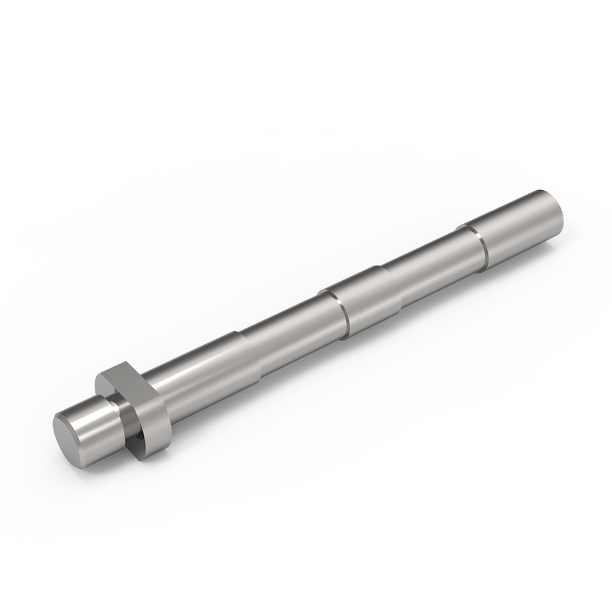
Nitinol Material Properties
Nitinol is a unique nickel-titanium alloy that exhibits shape memory effect and superelasticity, making it ideal for smart material applications.
Chemical Composition
Ni-55%, Ti-45%
Density
6.45 g/cm³
Transformation Temperature
-50 to +100°C
Hardness
20-30 HRC
Nitinol Characteristics
Comprehensive understanding of Nitinol properties for optimal application selection.
Tensile Strength
800-1200 MPa
High strength with excellent ductility
Yield Strength
200-800 MPa
Variable based on phase state
Elongation
15-50%
Exceptional ductility in austenite phase
Fatigue Life
10⁶-10⁷ cycles
Excellent fatigue resistance
Thermal Conductivity
18 W/m·K
Moderate thermal conductivity
Thermal Expansion
10.4 μm/m·K
Low expansion coefficient
Melting Point
1240-1310°C
High melting temperature
Transformation Hysteresis
20-50°C
Temperature range for phase change
Shape Memory Strain
6-8%
Maximum recoverable strain
Superelastic Strain
8-10%
Elastic deformation limit
Transformation Stress
100-800 MPa
Stress required for phase transformation
Recovery Force
Up to 500 MPa
Force generated during shape recovery
Specialized Manufacturing Processes
Advanced processing techniques for Nitinol with strict quality control and phase transformation management
Precision CNC Machining
Specialized machining strategies for Nitinol components
Capabilities:
- •Low-stress machining
- •Cryogenic cooling
- •Micro-machining capability
- •Complex geometry machining
Specifications:
- Tolerance: ±0.005mm
- Surface Finish: Ra 0.2-0.8
- Min Wall Thickness: 0.2mm
- Max Size: 300mm x 300mm x 200mm
Heat Treatment & Training
Precision heat treatment for shape memory and superelastic properties
Capabilities:
- •Solution annealing
- •Shape memory training
- •Superelastic training
- •Stress relief annealing
Specifications:
- Temperature: 400-900°C
- Time: 1-60 minutes
- Atmosphere: Vacuum/Argon
- Cooling: Controlled rate
Laser Processing
Advanced laser techniques for Nitinol
Capabilities:
- •Laser cutting
- •Laser welding
- •Surface modification
- •Micro-drilling
Specifications:
- Precision: ±0.01mm
- Heat Affected Zone: <0.1mm
- Wavelength: 1064nm
- Power: Up to 6kW
Surface Treatment
Specialized surface treatments for Nitinol
Capabilities:
- •Electropolishing
- •Passivation
- •Oxide layer control
- •Biocompatible coating
Specifications:
- Surface Roughness: Ra 0.1-0.4
- Oxide Thickness: 2-10nm
- Biocompatibility: ISO 10993
- Corrosion Resistance: ASTM F2129
Nitinol Applications
Diverse applications leveraging Nitinol's unique properties
Medical Devices
- • Stents and vascular devices
- • Orthodontic wires and brackets
- • Surgical instruments
- • Catheters and guidewires
- • Bone fixation devices
- • Dental implants
Aerospace & Defense
- • Actuators and valves
- • Deployment mechanisms
- • Thermal switches
- • Vibration dampers
- • Shape-changing structures
- • Smart fasteners
Consumer Electronics
- • Smartphone components
- • Wearable devices
- • Optical devices
- • Micro-actuators
- • Thermal management
- • Haptic feedback systems
Industrial Applications
- • Robotics and automation
- • Energy harvesting
- • Thermal actuators
- • Smart sensors
- • Adaptive structures
- • Precision positioning
Why Choose Our Nitinol Manufacturing
Expertise in Nitinol processing with unmatched quality and precision
Specialized Expertise
Over 15 years of experience in Nitinol processing and applications
Advanced Technology
State-of-the-art equipment for precise Nitinol manufacturing
Quality Assurance
Comprehensive testing and certification for all components
Custom Solutions
Tailored Nitinol solutions for specific application requirements
Fast Turnaround
Quick prototyping and production with rapid delivery
Technical Support
Expert technical support throughout the development process
Quality Assurance & Testing
Comprehensive quality control and testing protocols for Nitinol components
Frequently Asked Questions
What is nitinol used for?
What is the problem with nitinol?
Why is nitinol so expensive?
Is nitinol stronger than titanium?
How strong is nitinol compared to steel?
Ready to Start Your Nitinol Project?
Get expert consultation and instant quotes for your Nitinol components