
Custom HDPE Parts Manufacturing
High-Performance Polyethylene Solutions
Specialized manufacturing of High-Density Polyethylene (HDPE) components, delivering exceptional durability, chemical resistance, and cost-effectiveness for diverse industrial applications.
- •Excellent Chemical Resistance
- •High Impact Strength
- •UV Resistant Options
- •FDA Compliant Grades
- •Cost-Effective Production
- •Quick Turnaround
- •Minimal Tooling Wear
- •Wide Processing Window
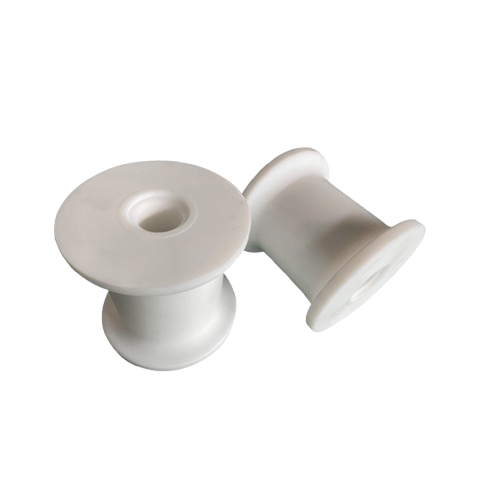
HDPE Material Properties
Superior physical and chemical properties for demanding applications:
Physical Properties
- Density: 0.941-0.965 g/cm³
- Tensile Strength: 4,000 psi
- Impact Strength: No Break
- Shore D Hardness: 60-70
Thermal Properties
- Melting Point: 130-137°C
- Service Temperature: -50 to 80°C
- Heat Deflection: 75°C at 0.45 MPa
- Thermal Expansion: 2.0 x 10⁻⁴ in/in/°F
Chemical Properties
- Chemical Resistance: Excellent
- Water Absorption: < 0.01%
- Environmental Stress Crack: High Resistance
- UV Resistance: Good with Additives
Manufacturing Solutions
Comprehensive HDPE processing capabilities for your custom requirements:
CNC Machining
Precision machining for complex geometries
Capabilities:
- ✓Tight tolerances (±0.005")
- ✓Complex profiles
- ✓Custom threading
- ✓Surface texturing
Plastic Welding
Advanced joining techniques for assemblies
Capabilities:
- ✓Hot plate welding
- ✓Extrusion welding
- ✓Butt fusion
- ✓Socket fusion
Thermoforming
Efficient processing for larger components
Capabilities:
- ✓Large format parts
- ✓Custom shapes
- ✓Uniform thickness
- ✓Cost-effective tooling
Industry Applications
HDPE components serve diverse industries with reliable performance:
Food & Beverage
FDA-compliant solutions for food processing and handling
Applications:
- •Storage containers
- •Conveyor components
- •Processing equipment
- •Packaging machinery parts
Chemical Processing
Corrosion-resistant components for chemical handling
Applications:
- •Tank linings
- •Pipe systems
- •Valve components
- •Chemical containers
Material Handling
Durable solutions for logistics and transportation
Applications:
- •Wear strips
- •Guide rails
- •Bearing surfaces
- •Protective guards
Quality Assurance
Rigorous testing and validation processes ensure consistent quality:
Material Testing
- •Density measurement
- •Melt flow index
- •Impact resistance
- •Chemical resistance
Dimensional Control
- •3D scanning
- •CMM measurement
- •Tolerance verification
- •Warpage control
Performance Testing
- •Load testing
- •Wear resistance
- •Environmental exposure
- •Stress analysis
Standards
Sustainability Features
Environmental benefits of HDPE manufacturing:
Recyclability
- ✓100% recyclable material
- ✓Post-consumer content options
- ✓Minimal material waste
- ✓Efficient processing
Energy Efficiency
- ✓Low processing temperature
- ✓Reduced energy consumption
- ✓Efficient material usage
- ✓Minimal scrap rate
Longevity
- ✓Extended service life
- ✓Reduced replacement needs
- ✓Low maintenance requirements
- ✓Durable performance
Design Guidelines
Key considerations for successful HDPE part design:
Wall Thickness
- •Minimum: 1.5mm for structural parts
- •Uniform thickness where possible
- •Gradual transitions
- •Avoid thick sections
Draft Angles
- •Minimum 1° for vertical walls
- •2-3° for textured surfaces
- •Consider shrinkage
- •Optimize for manufacturing
Corner Design
- •Use generous radii
- •Avoid sharp corners
- •Strengthen stress points
- •Consider flow patterns
Start Your HDPE Project Today
Ready to leverage the exceptional durability and cost-effectiveness of HDPE for your application? Our engineering team is here to help you optimize your design and choose the right manufacturing process.