
Custom Al 7075-T6 Parts Manufacturing
High-Strength Aerospace Aluminum Solutions
Specialized in high-performance Al 7075-T6 components with exceptional strength-to-weight ratio, fatigue resistance, and machinability. Ideal for aerospace, automotive, and high-stress industrial applications.
Tensile Strength
572 MPa
Stronger than most steels
Yield Strength
503 MPa
Excellent load bearing
Fatigue Resistance
Superior
Long service life
Machinability
Excellent
Easy to machine
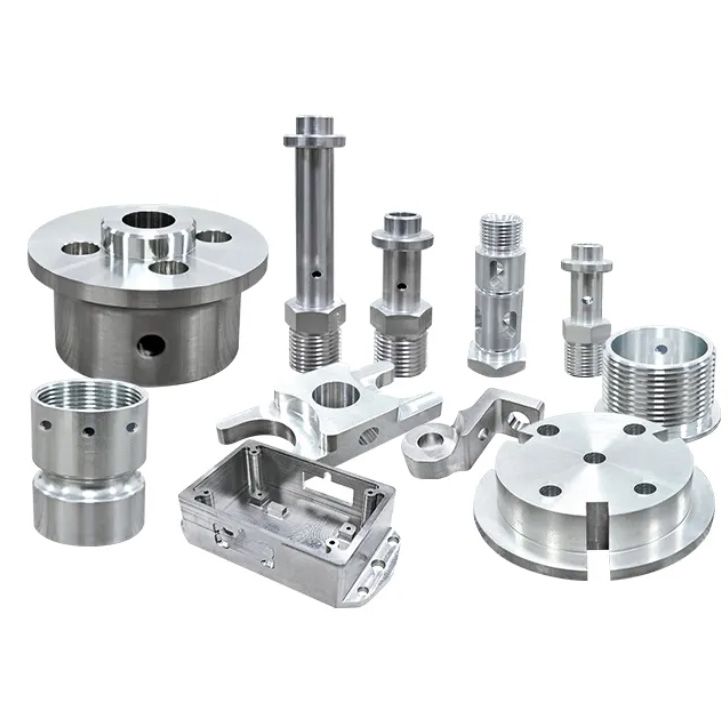
Al 7075-T6 Material Overview
Understanding the fundamentals of this high-strength aluminum alloy
- •High Strength-to-Weight Ratio
- •Excellent Fatigue Resistance
- •Superior Machinability
- •Aerospace Grade Quality
Al 7075-T6 Material Basics
Al 7075-T6 is a precipitation-hardened aluminum alloy containing zinc as the primary alloying element. The 'T6' designation indicates that the material has been solution heat treated and artificially aged to achieve maximum strength and hardness. This alloy is renowned for its exceptional strength-to-weight ratio, making it one of the strongest aluminum alloys available for commercial use.
Al 7075-T6 Material Properties
Comprehensive mechanical and physical properties of Al 7075-T6
Mechanical Properties
- •Tensile Strength: 572 MPa
- •Yield Strength: 503 MPa
- •Elongation: 11%
- •Hardness: 150 HB
Physical Properties
- •Density: 2.81 g/cm³
- •Melting Point: 477-635°C
- •Thermal Conductivity: 130 W/m·K
- •Electrical Conductivity: 33% IACS
Corrosion Properties
- •Atmospheric: Good
- •Seawater: Fair
- •Stress Corrosion: Susceptible
- •Anodizing: Excellent
Key Characteristics
Essential properties that make Al 7075-T6 ideal for demanding applications
High Strength
Exceptional tensile and yield strength for demanding applications
Lightweight
Low density with superior strength-to-weight ratio
Fatigue Resistance
Excellent resistance to cyclic loading and stress
Machinability
Superior machining characteristics for precision parts
Advanced Manufacturing Capabilities
Specialized processing techniques for Al 7075-T6 with precision quality control
Precision CNC Machining
High-speed machining with optimized cutting parameters
Capabilities:
- •5-axis simultaneous machining
- •High-speed cutting (up to 2000 SFM)
- •Micro-machining capability
- •Complex geometry machining
Specifications:
- Tolerance: ±0.01mm
- Surface Finish: Ra 0.4-1.6
- Min Wall Thickness: 0.5mm
- Max Size: 800mm x 800mm x 600mm
Heat Treatment
Precision heat treatment for optimal mechanical properties
Capabilities:
- •Solution heat treatment
- •Artificial aging (T6 temper)
- •Stress relieving
- •Overaging (T7 temper)
Specifications:
- Temperature: 460-480°C
- Time: 6-8 hours
- Atmosphere: Controlled
- Cooling: Water quench
Surface Finishing
Advanced surface treatment and finishing processes
Capabilities:
- •Anodizing (Type II & III)
- •Chemical conversion coating
- •Powder coating
- •Electroless nickel plating
Specifications:
- Anodize Thickness: 5-25 μm
- Coating Adhesion: Excellent
- Corrosion Resistance: Enhanced
- Aesthetic Options: Multiple colors
Industry Applications
High-performance Al 7075-T6 solutions across critical industries
Aerospace
- • Aircraft structural components
- • Landing gear parts
- • Wing spars and ribs
- • Engine mounts
- • High strength-to-weight ratio
- • Fatigue resistance
- • Dimensional stability
- • Reliability in flight
Automotive
- • Racing components
- • Suspension parts
- • Engine components
- • Performance upgrades
- • Weight reduction
- • Performance enhancement
- • Durability
- • Precision engineering
Defense
- • Military equipment
- • Weapon systems
- • Armor components
- • Tactical gear
- • High strength
- • Impact resistance
- • Reliability
- • Long service life
Sports Equipment
- • Bicycle frames
- • Golf clubs
- • Baseball bats
- • Fishing equipment
- • Lightweight design
- • Performance optimization
- • Durability
- • Precision balance
Quality Assurance & Testing
Comprehensive quality control and testing procedures
Material Certification
Full traceability and material certification
- •Mill test reports
- •Chemical analysis
- •Mechanical testing
- •Heat treatment records
Dimensional Inspection
Precision measurement and verification
- •CMM inspection
- •Surface finish measurement
- •Hardness testing
- •Visual inspection
Non-Destructive Testing
Advanced NDT techniques for quality assurance
- •Ultrasonic testing
- •Radiographic inspection
- •Penetrant testing
- •Eddy current testing
Why Choose Our Al 7075-T6 Manufacturing
Expertise and capabilities that set us apart
Material Expertise
Deep understanding of Al 7075-T6 properties and processing requirements
Advanced Technology
State-of-the-art CNC machines and cutting tools for optimal results
Quality Control
Comprehensive testing and inspection at every stage of production
Custom Solutions
Tailored manufacturing processes for your specific requirements
Frequently Asked Questions
How strong is 7075 T6 aluminum?
What is 7075 T6 aluminum?
Can 7075 T6 aluminum be anodized?
Can I weld 7075 T6 aluminum?
Which is better 7075 T6 or 7075 T7?
Which is stronger 7075 T7351 or 7075 T6?
Ready to Transform Your Manufacturing?
Get expert consultation and instant quotes for your high-strength aluminum components