
Custom 316L Stainless Steel Parts Manufacturing
Precision Low-Carbon Stainless Steel Components
Expert manufacturing of custom 316L stainless steel parts with exceptional corrosion resistance, low carbon content, and superior mechanical properties for medical devices, marine equipment, and chemical processing applications.
- •Low carbon content (≤0.03%)
- •Superior corrosion resistance
- •Medical grade material
- •Precision CNC machining
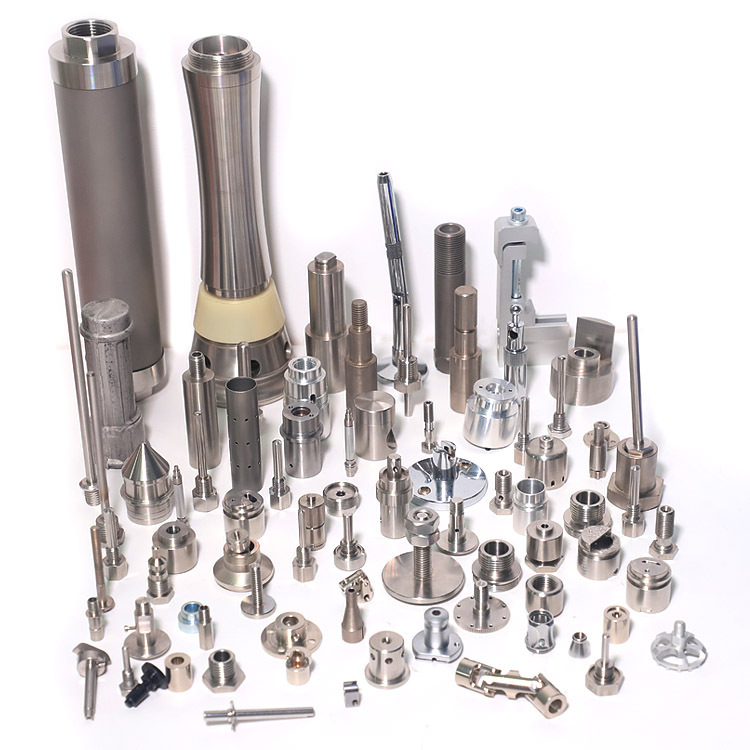
316L Stainless Steel Overview
316L is a low-carbon version of 316 stainless steel, containing molybdenum for enhanced corrosion resistance. The 'L' designation indicates low carbon content (≤0.03%), making it ideal for welding applications and preventing sensitization. This austenitic stainless steel offers excellent resistance to pitting, crevice corrosion, and stress corrosion cracking.
- •Low-carbon austenitic steel
- •Molybdenum enhanced resistance
- •Excellent weldability
- •Medical and food grade
Material Properties & Specifications
Chemical Composition
- •Carbon (C): ≤0.03%
- •Chromium (Cr): 16.0-18.0%
- •Nickel (Ni): 10.0-14.0%
- •Molybdenum (Mo): 2.0-3.0%
- •Manganese (Mn): ≤2.0%
- •Silicon (Si): ≤1.0%
- •Phosphorus (P): ≤0.045%
- •Sulfur (S): ≤0.030%
- •Nitrogen (N): ≤0.10%
- •Iron (Fe): Balance
Mechanical Properties
- •Tensile Strength: 75-85 ksi (517-586 MPa)
- •Yield Strength (0.2%): 30-35 ksi (207-241 MPa)
- •Elongation (50mm): 40-50%
- •Hardness (Rockwell B): 80-95 HRB
- •Modulus of Elasticity: 28.0 x 10³ ksi (193 GPa)
- •Impact Strength: ≥20 ft-lb (27 J)
Physical Properties
- •Density: 0.290 lb/in³ (8.03 g/cm³)
- •Melting Point: 2500-2550°F (1370-1400°C)
- •Thermal Conductivity: 9.2 BTU/hr·ft·°F (16.0 W/m·K)
- •Specific Heat: 0.12 BTU/lb·°F (0.50 J/g·K)
- •Coefficient of Expansion: 8.9 x 10⁻⁶ in/in/°F (16.0 x 10⁻⁶ m/m/°K)
- •Electrical Resistivity: 29.0 microhm-cm
Manufacturing Processes
Our advanced manufacturing capabilities ensure precise production of 316L stainless steel parts with tight tolerances and superior surface finishes.
CNC Machining
Precision CNC turning, milling, and drilling with specialized tooling for stainless steel
Capabilities:
- •Multi-axis machining
- •Tight tolerances (±0.001")
- •Superior surface finishes
- •Complex geometries
Surface Finishing
Advanced surface treatments for enhanced performance and appearance
Capabilities:
- •Electropolishing
- •Passivation
- •Bead blasting
- •Mirror finishing
Welding & Joining
Expert welding techniques including TIG, MIG, and laser welding
Capabilities:
- •TIG welding
- •MIG welding
- •Laser welding
- •Post-weld treatment
Quality Control
Comprehensive testing and inspection to ensure material integrity
Capabilities:
- •Chemical analysis
- •Mechanical testing
- •Corrosion testing
- •Dimensional verification
Applications
316L stainless steel is widely used in industries requiring exceptional corrosion resistance and biocompatibility.
Medical & Healthcare
- • Surgical instruments
- • Medical implants
- • Dental equipment
- • Pharmaceutical equipment
Marine & Offshore
- • Marine hardware
- • Offshore platform components
- • Seawater handling systems
- • Shipbuilding parts
Chemical Processing
- • Reactor vessels
- • Heat exchangers
- • Piping systems
- • Storage tanks
Food & Beverage
- • Food processing equipment
- • Brewery equipment
- • Dairy processing
- • Beverage production
Why Choose 316L Stainless Steel
316L stainless steel offers exceptional performance characteristics for demanding applications.
Superior Corrosion Resistance
Excellent resistance to pitting, crevice corrosion, and stress corrosion cracking
Low Carbon Content
Prevents sensitization and maintains corrosion resistance after welding
Biocompatibility
Safe for medical applications and food contact surfaces
Excellent Weldability
Can be welded without post-weld heat treatment
Quality Assurance
Comprehensive quality control ensures every 316L stainless steel part meets the highest industry standards.
Frequently Asked Questions
Is 316L stainless steel good quality?
Does 316L stainless steel have nickel?
What does the L stand for in 316L?
What is the ASTM grade for ss316l?
What is the difference between 316 and 316L?
What is the grade of 316L equivalent to?
Ready to Start Your 316L Project?
Get a free quote for your custom 316L stainless steel parts. Our experts will help you optimize your design for manufacturing and ensure the highest quality standards.