
Overmolding Services
Add a soft-touch, seal, or second rigid material onto a molded substrate. Partsproto builds aluminum tools, guides material pairing, and ships overmolded parts from China to overseas buyers.
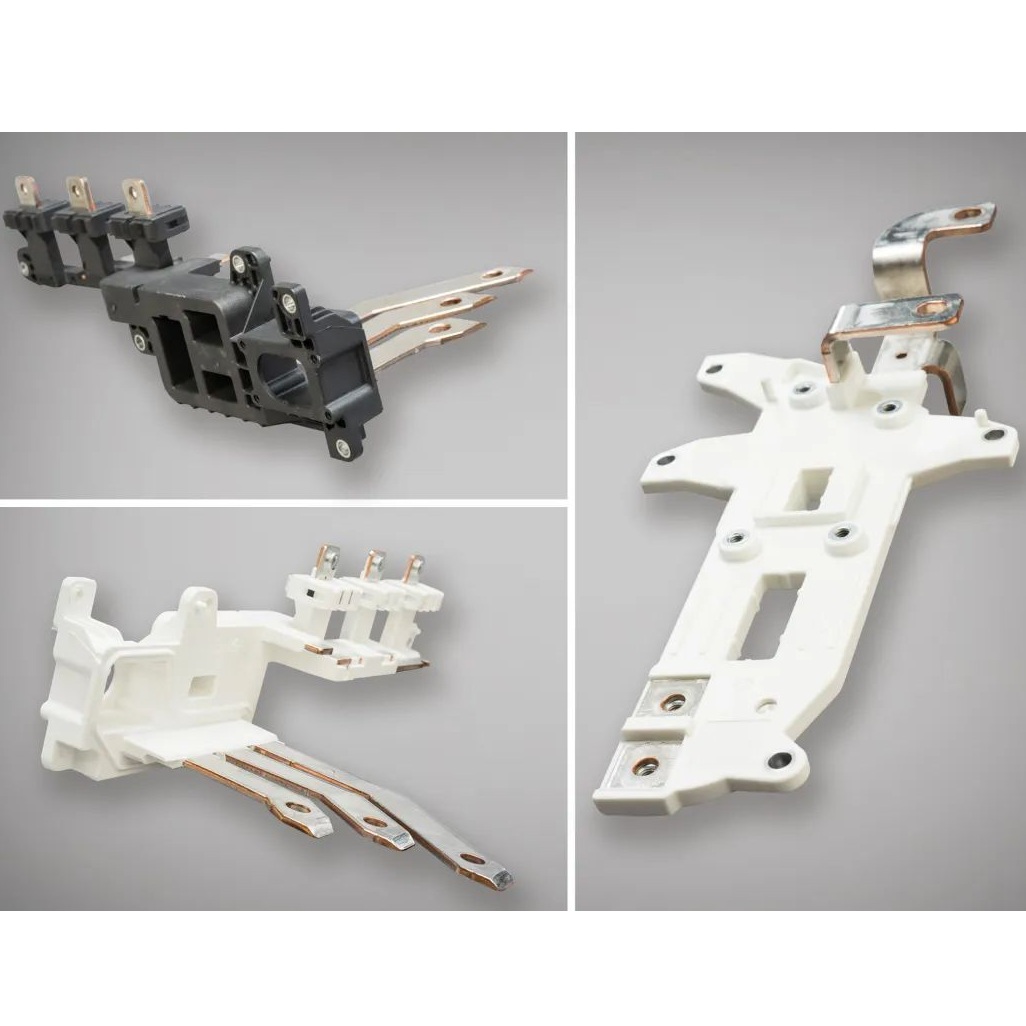
Overmolding molds a second material onto a plastic (or metal) substrate—typically TPE/TPU for grip, or LSR for seals and high-temp flex. Unlike insert molding’s discrete metal insert, overmolding is polymer-on-polymer (or polymer-on-metal) for ergonomics, sealing, color, or strain relief. Choose it when you need soft-touch handles, waterproof lips, vibration damping, or dual-durometer cosmetics without glue. Partsproto quotes substrate + overmold tools (or sequential molding) as a China export shop—honest about chemical vs mechanical bond, not marketing fluff. Typical programs include soft-touch tools, waterproof consumer electronics, and industrial grips where glue joints have already failed field peel tests.
What overmolding is—and when to choose it
- →You need elastomer performance on a rigid plastic body
- →Adhesive assembly is failing peel or cosmetics
- →IP-rated seals are easier molded than assembled
- →Volumes fit aluminum tooling before steel commitment
Overmolding design guidelines
Size and tolerance envelopes for aluminum overmold tools—confirm deep silicone parts early.
Maximum Part Size
US: 18.9 in. x 29.6 in. x 8 in.
Metric: 480mm x 751.8mm x 203.2mm
Volume
US: 59 cu. in.
Metric: 966,837 cu. mm
Depth
US: 4 in. from parting line
Metric: 101mm from parting line
Up to 8 in. (203.2mm) if the parting line can pass through middle of part
Projected Mold Area
US: Plastic: 175 sq in. / Silicone: 48 sq. in.
Metric: Plastic: 112,903 sq. mm / Silicone: 30,958 sq. mm
Important Notes
- •Height may be limited if using silicone as the overmold; deeper parts need a smaller outline.
- •Minimum part volume is about 0.025 cu. in. (40.98 cu. mm).
- •Substrate molds: machining tolerance often ±0.003 in. (0.08 mm) plus resin shrinkage.
- •Thermoplastic overmolds track substrate-like tolerances; LSR overmolds need wider linear allowances (~0.025 in./in.).
Overmolding process workflow
Substrate first (standard injection), then second tool or second shot with elastomer/LSR. Manual substrate placement is common on aluminum bridge tools; automation is quoted when volumes pay for it.
DFM & bond strategy
Pick substrate/overmold pair; add mechanical locks where peel is CTQ.
Substrate tooling & molding
Mold rigid body; control dimensions that locate the overmold shutoff.
Overmold tool setup
Nest substrate; verify no crush on ribs; set vents for elastomer.
Overmold shot
Inject TPE/TPU/LSR; cure/cool; demold without tearing the skin.
QC & export pack
Bond/peel samples, flash, cosmetics; pack for overseas shipment.
Material bonding guide
Chemical adhesion helps, but mechanical interlocks (holes, undercuts, grooves) are strongly recommended when peel strength is critical. Share end-use environment (oils, UV, sterilization) so we do not pick a pretty but weak pair.
| Overmold ↓ / Substrate → | ABS | ABS/PC CYCOLOY C2950-111 | PC Lexan940-701 | PBT Valox357-1001 | PP Profax 6323 |
|---|---|---|---|---|---|
| TPU - Texin 983-000000 | C | C | C | C | M |
| TPV - Santoprene 101-87 | M | M | M | M | C |
| TPE - Santoprene 101-64 | M | M | M | M | C |
| LSR - Elastosil 3003/30 A/B | - | - | M | M | - |
| TPC - Hytrel 3078 | C | C | C | C | M |
| TPE-Versaflex OM 1060X-1 | C | C | C | M | M |
| TPE-Versaflex OM 6240-1 | M | M | M | M | M |
| TPE-Versaflex OM 6258-1 | M | M | M | M | M |
| TPE-Versaflex OM 1040X-1 | C | C | C | M | M |
Common applications
Consumer products
- •Soft-touch grips
- •Ergonomic handles
- •Protective bumpers
- •Anti-slip feet
Medical-adjacent devices
- •Instrument grips
- •Sealing lips
- •Comfort interfaces
- •Strain reliefs
Electronics
- •Waterproof seals
- •Vibration dampers
- •Connector overmolds
- •Button pads
Industrial
- •Tool handles
- •Equipment grips
- •Gasketed covers
- •Cable exits
Design resources
Bond & interlock basics
When to trust chemical adhesion vs mechanical locks.
Designing for overmold shutoffs
Lands, crush limits, and flash control.
Material selection
TPE/TPU/LSR vs environment and sterilization.
Cosmetic class notes
Align texture and gloss across substrate and skin.
DFM tips for overmolding
- •Design mechanical interlocks (through-holes, grooves, undercuts) even when the datasheet claims chemical bond.
- •Keep overmold thickness consistent; thick-to-thin transitions sink and tear on demold.
- •Shutoff edges need flat, supported lands—thin substrate lips crush and flash.
- •Tell us sterilization, oil, or outdoor UV exposure; many TPEs fail where medical LSR succeeds (and vice versa).
- •Color and texture: specify SPI/VDI on both substrate and overmold—mismatched gloss looks like a defect.
- •Avoid gating the overmold into a feather edge; start into a thicker pad and flow outward.
Inspection & QC
- ✓Substrate CTQs that locate the overmold nest.
- ✓Overmold coverage, flash, and knit lines on cosmetic faces.
- ✓Peel / bond sampling when the RFQ requires adhesion proof.
- ✓Durometer checks on elastomer lots when specified.
- ✓Resin lot certs and color approvals for export receiving.
Lead time & batch sizing
Two-tool aluminum overmold programs (substrate + overmold) often need several weeks for tooling plus FA—plan longer than a single-shot part. Once approved, piece price depends on manual load time and elastomer grade. Pilots of tens to low thousands are typical on aluminum; ask for tool amortization vs piece-price breaks. LSR overmolds may add cure and handling time. Partsproto ships overseas with clear lot labels for substrate and overmold resins. If you already have a molded substrate from another supplier, we can quote overmold-only—send substrate tolerance and nesting notes so the second tool fits.
Overmolding FAQ for buyers
Overmolding vs insert molding—which do I need?
Insert molding encapsulates a discrete insert (often metal). Overmolding adds a second molded material onto a substrate for grip, seal, or dual durometer. Some parts use both—tell us the function.
Will TPE stick to my substrate without glue?
Sometimes chemically, often only mechanically. We design interlocks when peel is critical and pick pairs from known bond matrices.
Can you overmold LSR onto plastic?
Yes on compatible geometries and materials. LSR needs different tooling temps and shutoffs—call LSR out explicitly on the RFQ.
What files make a fast quote?
Substrate CAD, overmold CAD (or solid with clear bodies), materials, durometer, cosmetic class, qty breaks, and any peel/IP test needs.
Is aluminum tooling enough?
For prototypes, pilots, and many mid-volume export runs, yes. Abrasive or very high-volume programs may need steel—we advise on the quote.
Do you operate as a local US molder?
No. Partsproto manufactures in China and exports to overseas buyers with DFM, QC, and international logistics.
Request an overmolding quote
Send substrate + overmold CAD, materials, and quantities. We return tooling approach, bond notes, piece price, and export lead time.