
Custom Tungsten Parts Manufacturing
Ultra-High Density & Extreme Temperature Solutions
Specialized in precision Tungsten components with exceptional density, high melting point, and extreme wear resistance. Perfect for aerospace, defense, medical, and high-temperature industrial applications.
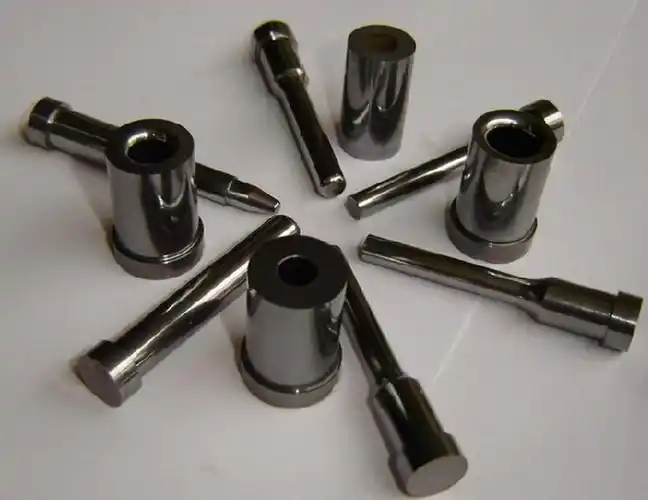
Tungsten Material Properties
Tungsten is the heaviest naturally occurring metal with the highest melting point, making it ideal for extreme temperature and wear applications.
Chemical Symbol
W
Atomic Number
74
Boiling Point
5555°C
Thermal Conductivity
173 W/m·K
Tungsten Characteristics
Comprehensive understanding of Tungsten properties for optimal application selection.
Mechanical Properties
- Compressive Strength: 2000-4000 MPa Exceptional load-bearing capacity
- Elastic Modulus: 411 GPa Very high stiffness
- Poisson's Ratio: 0.28 Typical for metals
- Fatigue Strength: 400-600 MPa Good fatigue resistance
Thermal Properties
- Thermal Expansion: 4.5 μm/m·K Low expansion coefficient
- Specific Heat: 0.13 J/g·K Low heat capacity
- Thermal Shock Resistance: Excellent Resistant to thermal cycling
- Emissivity: 0.3-0.4 Moderate heat radiation
Chemical Properties
- Corrosion Resistance: Excellent Resistant to most acids
- Oxidation Resistance: Good Forms protective oxide layer
- Chemical Inertness: High Stable in most environments
- Biocompatibility: Good Suitable for medical applications
Tungsten Applications
Diverse applications leveraging Tungsten's unique density and thermal properties
Aerospace & Defense
- • Rocket nozzles
- • Missile components
- • Aircraft counterweights
- • Armor piercing rounds
- • Radiation shielding
- • High-temperature sensors
Medical & Healthcare
- • X-ray targets
- • Radiation therapy
- • Surgical instruments
- • Dental tools
- • Medical imaging
- • Prosthetic components
Industrial & Manufacturing
- • Cutting tools
- • Dies and molds
- • Electrical contacts
- • Heat sinks
- • Furnace components
- • Welding electrodes
Automotive & Transportation
- • Engine components
- • Brake systems
- • Transmission parts
- • Exhaust systems
- • Fuel injection
- • Turbocharger parts
Advanced Tungsten Processing
Specialized manufacturing techniques for Tungsten with extreme precision and quality control
Powder Metallurgy
Advanced powder processing for Tungsten components
- ✓Powder pressing
- ✓Sintering
- ✓Hot isostatic pressing
- ✓Spark plasma sintering
Precision Machining
Ultra-precise machining for Tungsten components
- ✓Diamond tool machining
- ✓EDM processing
- ✓Laser cutting
- ✓Grinding and polishing
Heat Treatment
Specialized heat treatment for Tungsten
- ✓Stress relieving
- ✓Annealing
- ✓Recrystallization
- ✓Grain refinement
Surface Treatment
Advanced surface modification for Tungsten
- ✓Plasma coating
- ✓Chemical vapor deposition
- ✓Ion implantation
- ✓Electropolishing
Quality Assurance & Testing
Comprehensive quality control and testing protocols for Tungsten components
Material Analysis
Comprehensive material property verification
- • Chemical composition analysis
- • Density measurement
- • Grain size analysis
- • Microstructure examination
Mechanical Testing
Strength and durability validation
- • Tensile strength testing
- • Compressive strength testing
- • Hardness measurement
- • Impact resistance testing
Thermal Testing
High-temperature performance validation
- • Thermal expansion testing
- • Thermal conductivity measurement
- • Thermal shock testing
- • Creep resistance testing
Performance Validation
Real-world application testing
- • Wear resistance testing
- • Corrosion resistance testing
- • Fatigue testing
- • Environmental testing
Why Choose Our Tungsten Manufacturing
Expertise in Tungsten processing with unmatched precision and quality control
Extreme Density
Highest density metal for maximum weight efficiency
Ultra-High Temperature
Highest melting point for extreme temperature applications
Superior Hardness
Exceptional wear resistance and durability
Precision Technology
Advanced machining and processing capabilities
Quality Guaranteed
Comprehensive testing and certification
Expert Support
Technical consultation throughout development
Frequently Asked Questions
Ready to Transform Your Manufacturing?
Get an instant quote or speak with our engineering team about your tungsten requirements.
Get Instant Quote