
Medical CNC Machining Services
Specialized CNC machining services for medical devices, implants, surgical instruments, and dental equipment. ISO 9001:2015, ISO 13485, and IATF 16949:2016 certified manufacturing with biocompatible materials and tight tolerances.
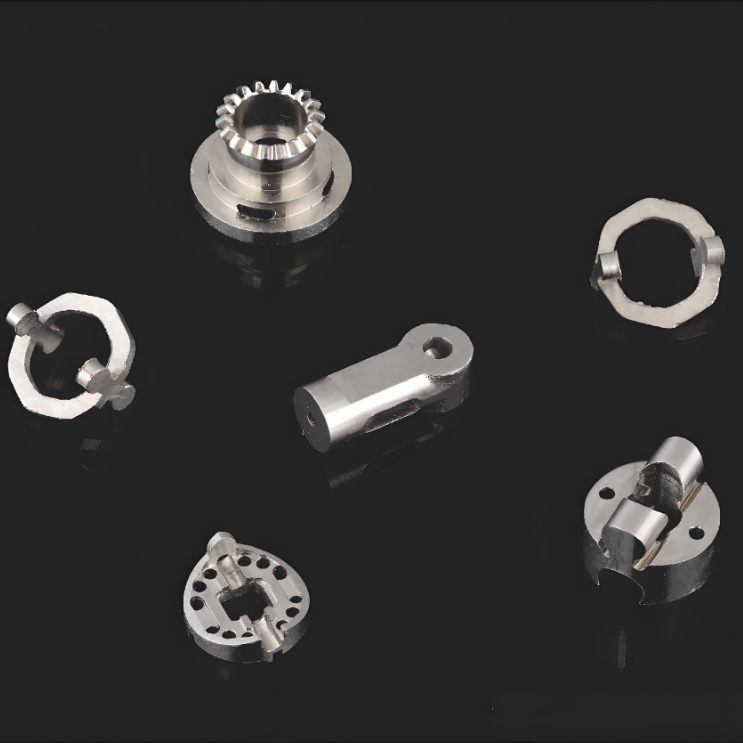
Medical CNC Machining Types
Wire EDM Medical Machining
Precision cutting for complex geometries and tight tolerances
- •Tolerance down to ±0.0025mm
- •Complex internal features
- •No mechanical stress on parts
- •Ideal for titanium and stainless steel
5-Axis CNC Medical Machining
Multi-directional machining for complex medical parts
- •5 degrees of freedom
- •Complex shapes and undercuts
- •Reduced setup time
- •Superior surface finish
Swiss CNC Medical Machining
High-precision machining for small, complex parts
- •Multiple cutting operations simultaneously
- •Ultra-precise tolerances
- •Ideal for round parts
- •Rapid production capability
Medical CNC Milling
Standard 3-4 axis milling for medical components
- •Rapid turnaround times
- •Tight tolerance control
- •Wide material compatibility
- •Cost-effective production
Medical-Grade Materials
Biocompatible materials for medical applications
Metals
Titanium & Titanium Alloys
Stainless Steel
Aluminum
Brass
Plastics
Polyethylene (PE)
Nylon
Polyvinyl Chloride (PVC)
PEEK
Medical Manufacturing Certifications
Meeting the highest standards for healthcare manufacturing
Certifications
ISO 9001:2015
Quality Management System certification
ISO 13485:2016
Medical Device Quality Management System
IATF 16949:2016
Automotive Quality Management System
AS9100D
Aerospace Quality Management System
ITAR Registered
International Traffic in Arms Regulations compliance
Inspection Process
Medical CNC machining—scope we support
Medical CNC here means machining instruments, device components, and fixtures to prints that often call biocompatible materials, fine finishes, and traceable docs—not a claim that every lot is an FDA-cleared device.
Choose Partsproto when you need Ti, 316L, 17-4, PEEK, or similar cut to drawing with FAIR options and export packing from China.
Regulated device manufacturing requirements must be scoped on the RFQ—we will not invent blanket certifications.
- → Instrument shafts, handles, and housings
- → Implant-adjacent prototypes with material certs
- → PEEK / stainless / titanium device components
- → Fixtures and trays for medical production lines
Medical-adjacent machining workflow
RFQ & documentation needs
Confirm material grade, certs, cleanliness, and inspection package.
DFM
Flag burr-critical edges, thin walls, and finish callouts.
Machining
Dedicated tool strategies for Ti/SS/PEEK; coolant rules as agreed.
Deburr & finish
Passivate, anodize, or polish only when ordered.
Inspect & ship
FAIR/CMM as scoped; export pack with lot traceability.
DFM tips for medical CNC parts
- •State the exact alloy/temper and any ASTM/ISO material callout on the print.
- •Define edge-break and burr limits—medical handling hates sharp leftovers.
- •Do not over-specify Ra everywhere; put fine finish on tissue- or seal-contact faces.
- •If cleaning/sterilization follows, tell us chemistry so we pick compatible finishes.
- •Mark which dims are CTQ for patient-contact or mating interfaces.
Inspection & QC
- ✓Material certs when ordered with the lot.
- ✓Dimensional FA against CTQs.
- ✓Surface and visual criteria agreed for patient-adjacent cosmetics.
- ✓Optional FAIR / CMM packages.
- ✓Lot labeling for overseas receiving and your QMS intake.
Lead time & batch sizing
Medical-adjacent prototypes in aluminum or 303 often track general CNC timelines (about 1–2 weeks after DFM). Ti, PEEK, and heavy documentation add time. Pilots of 5–50 pcs are common before production. Ask for documentation line items separately so piece price stays clear.
Frequently Asked Questions
What is CNC machining in the medical industry?
CNC machining in the medical industry refers to the use of computer numerical control (CNC) technology to manufacture precision medical devices, implants, surgical instruments, and dental equipment. This process ensures high accuracy, repeatability, and tight tolerances required for medical applications. Medical CNC machining must meet strict regulatory standards and use biocompatible materials that are safe for human contact or implantation.
What is a CNC medical?
A CNC medical refers to CNC (Computer Numerical Control) machines specifically configured and certified for manufacturing medical devices and components. These machines are designed to meet the stringent requirements of the healthcare industry, including precision tolerances, biocompatible material handling, and regulatory compliance. Medical CNC machines can include 5-axis milling machines, Swiss lathes, wire EDM machines, and other specialized equipment used to produce medical-grade parts with the highest quality standards.
Request a medical CNC quote
Send material grade, cert needs, CTQs, cleanliness notes, and qty—Partsproto scopes documentation honestly for overseas device programs.
Get Instant QuoteReady for Medical Manufacturing?
Partner with us for precision medical CNC machining that meets the highest healthcare standards